When Your Child Helps Tell the Story
A study of interactive reading offers a thoughtful reason to make room for children’s ideas—and a window into why participation sits at the heart of House of Heroes.

There is a lovely moment in storytime when your child stops following the page and starts adding something of their own.
“I would help the dragon.”
“Maybe the treasure is under the bridge.”
“What if she takes the other path?”
You can keep reading. Or you can pause and step into that idea together.
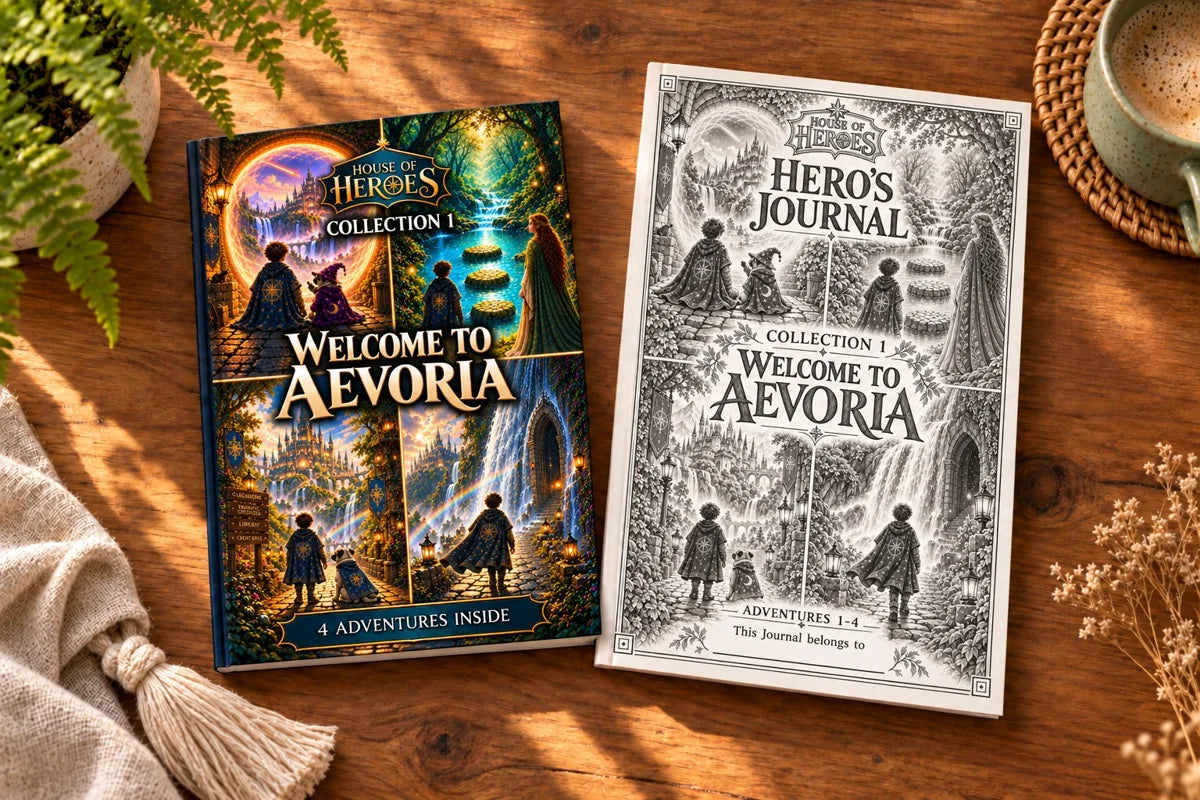
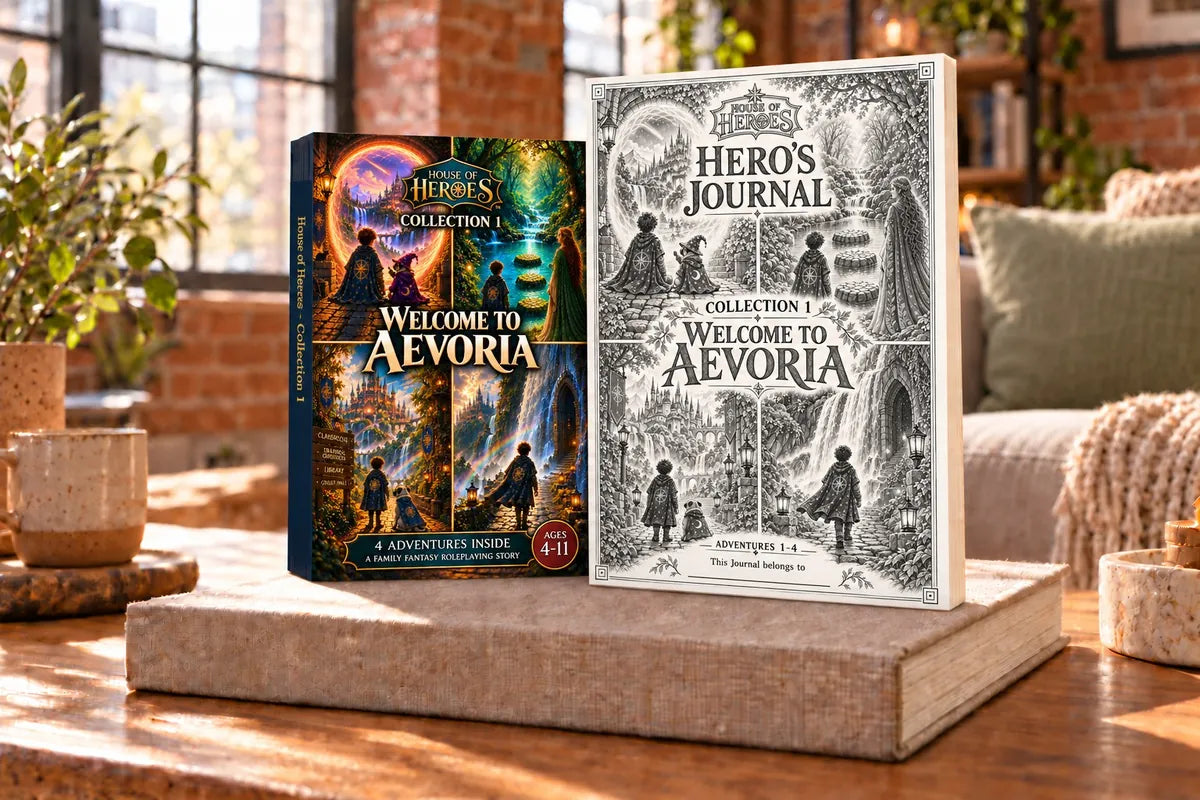
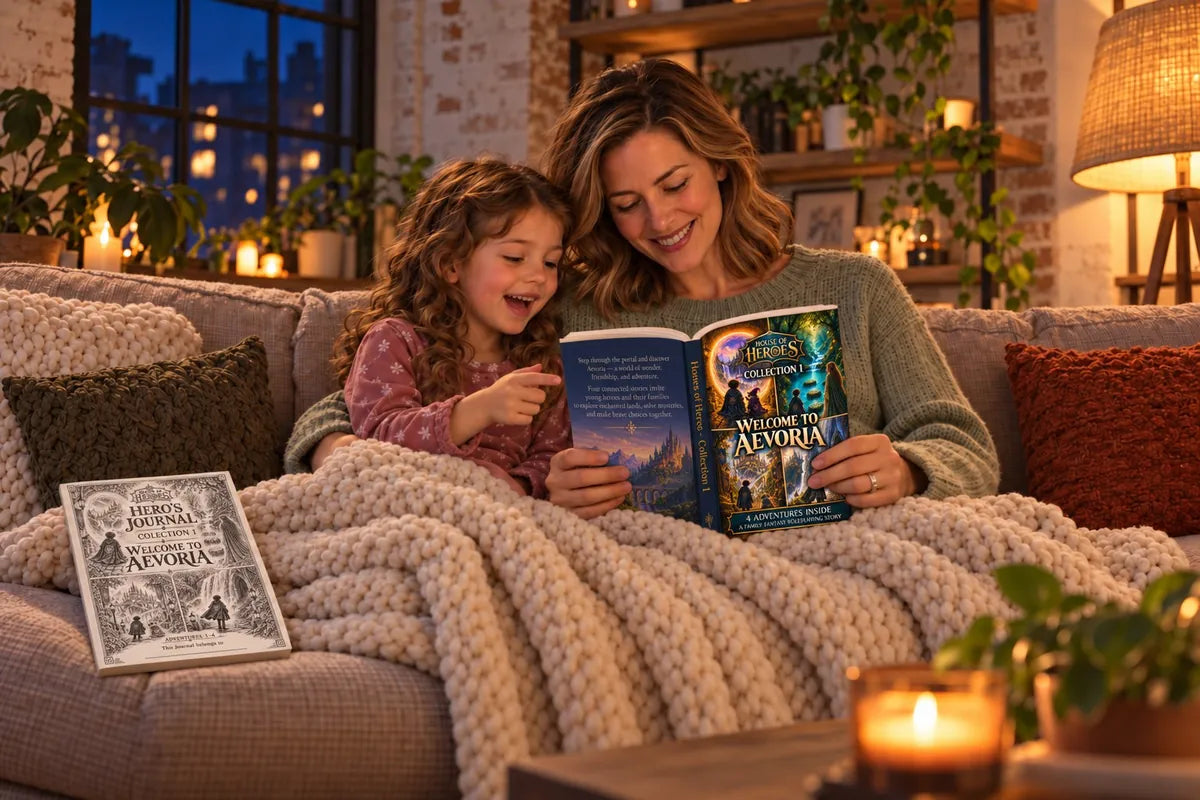
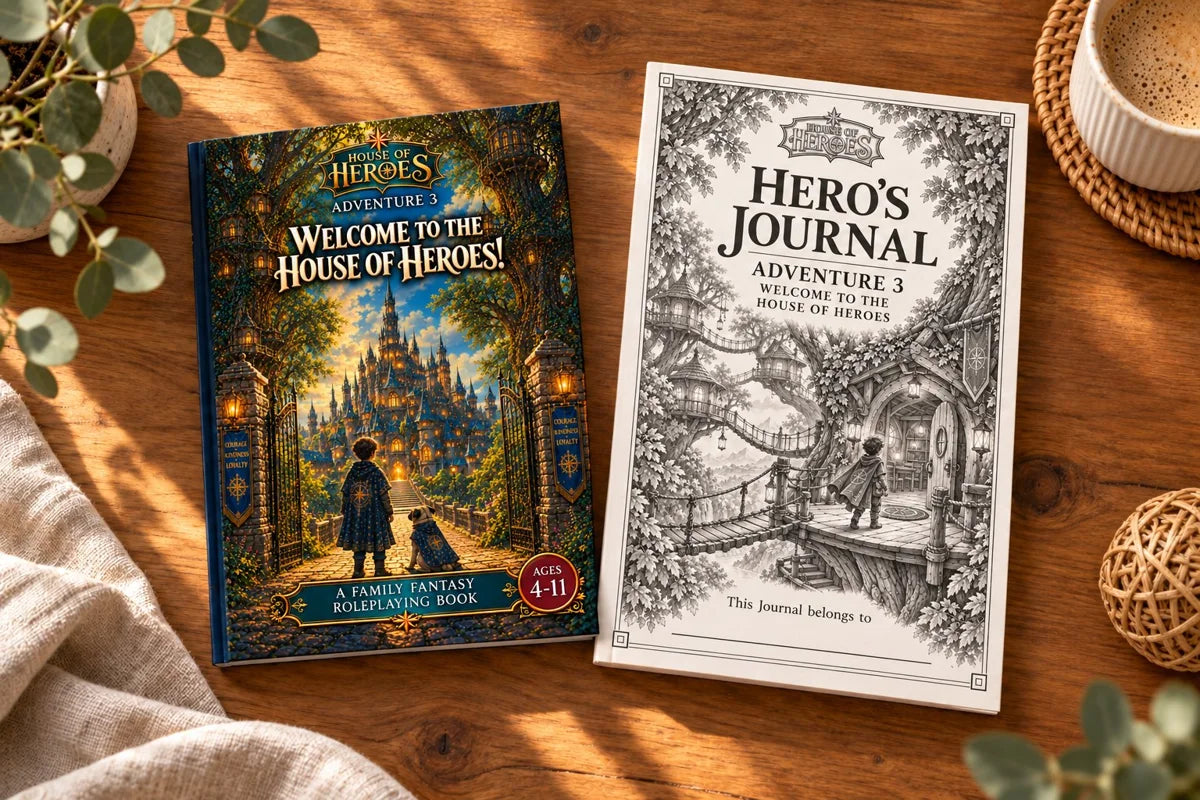
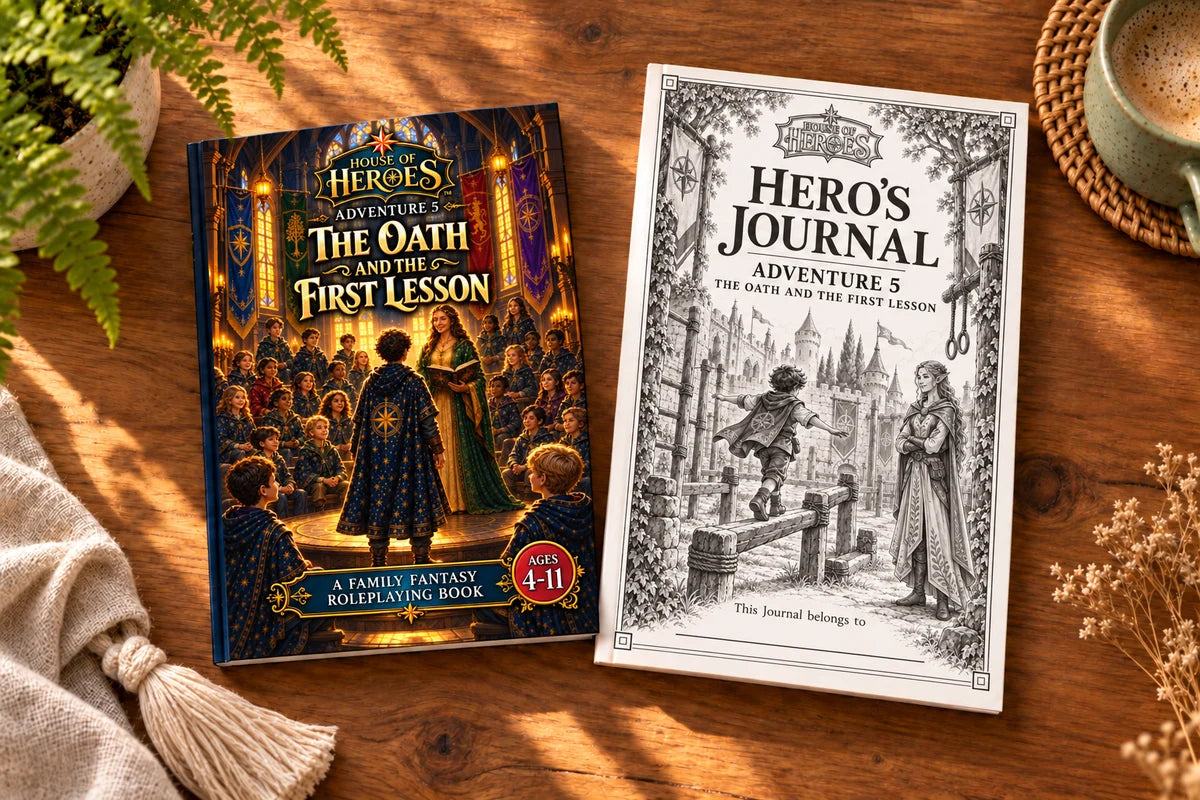
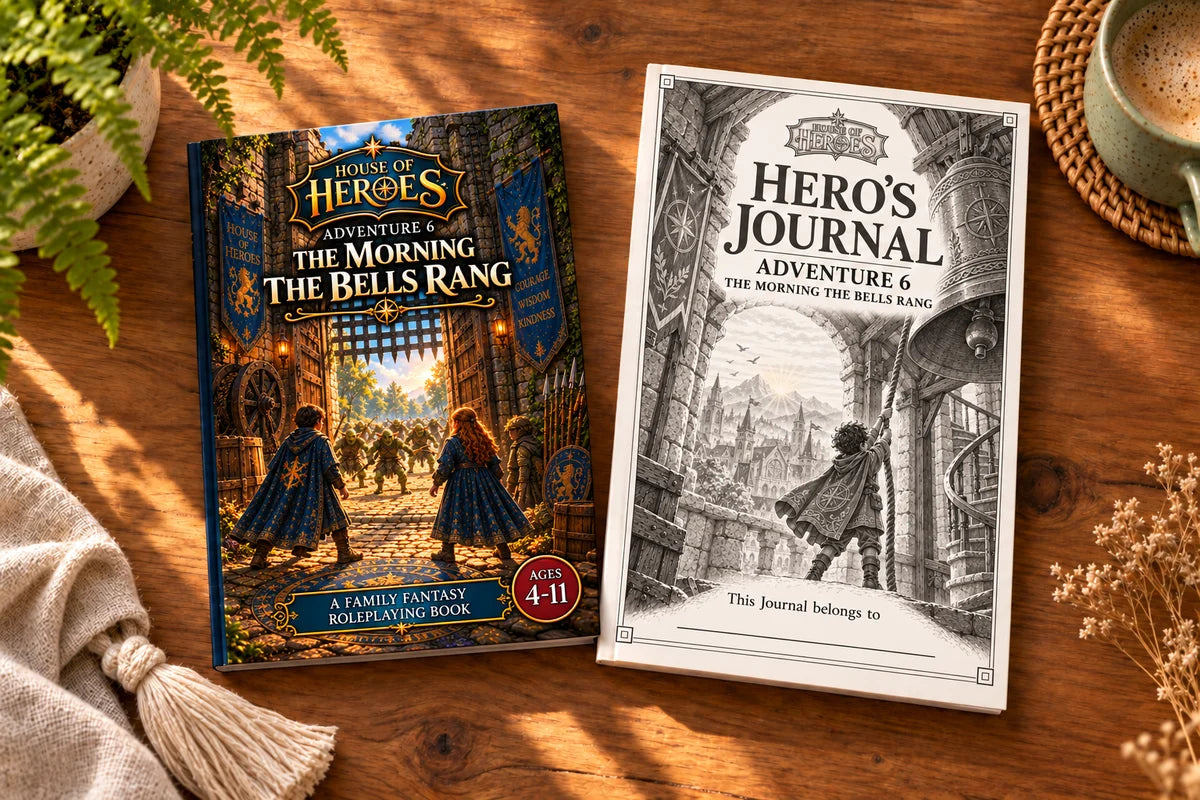
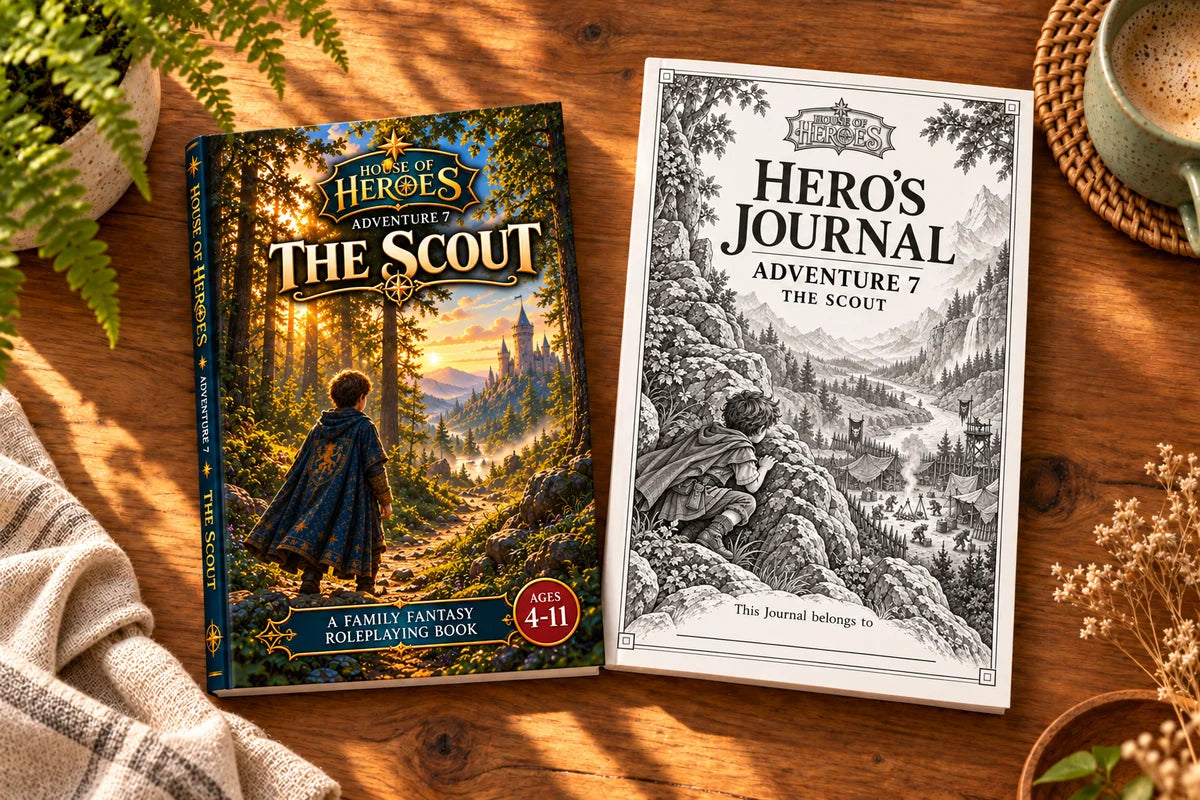
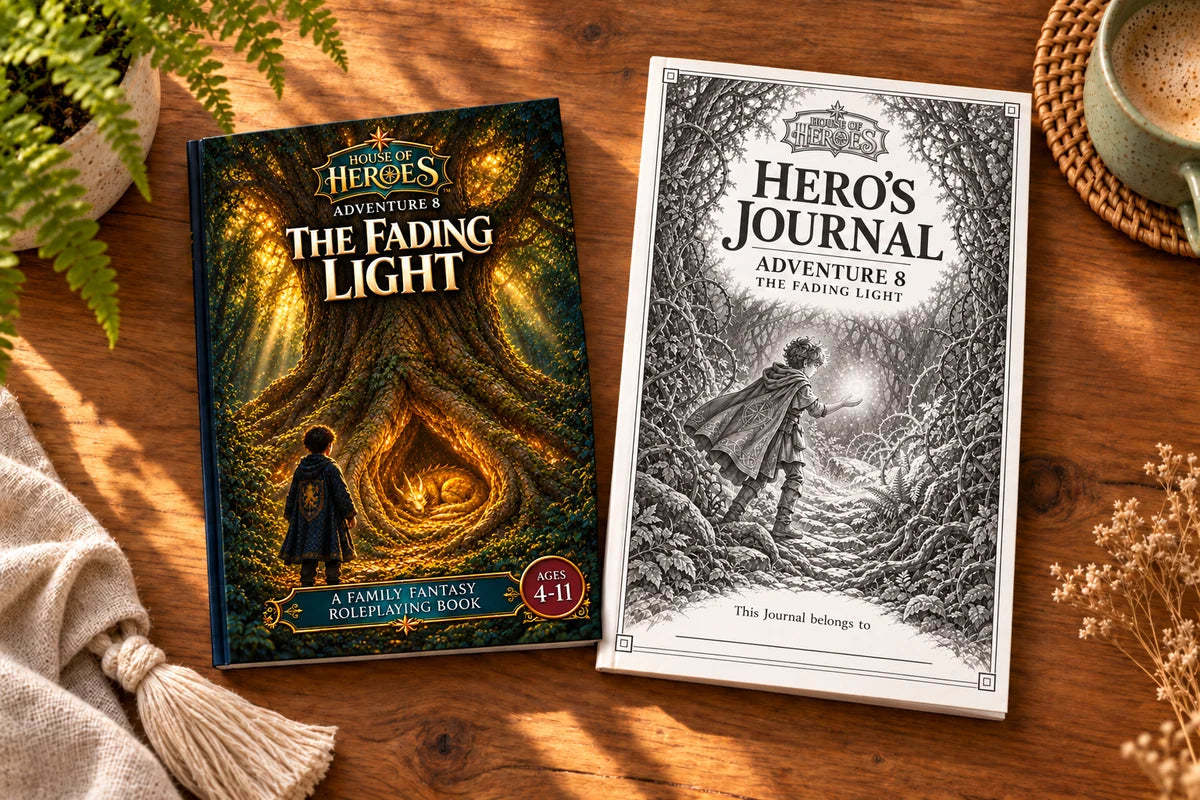
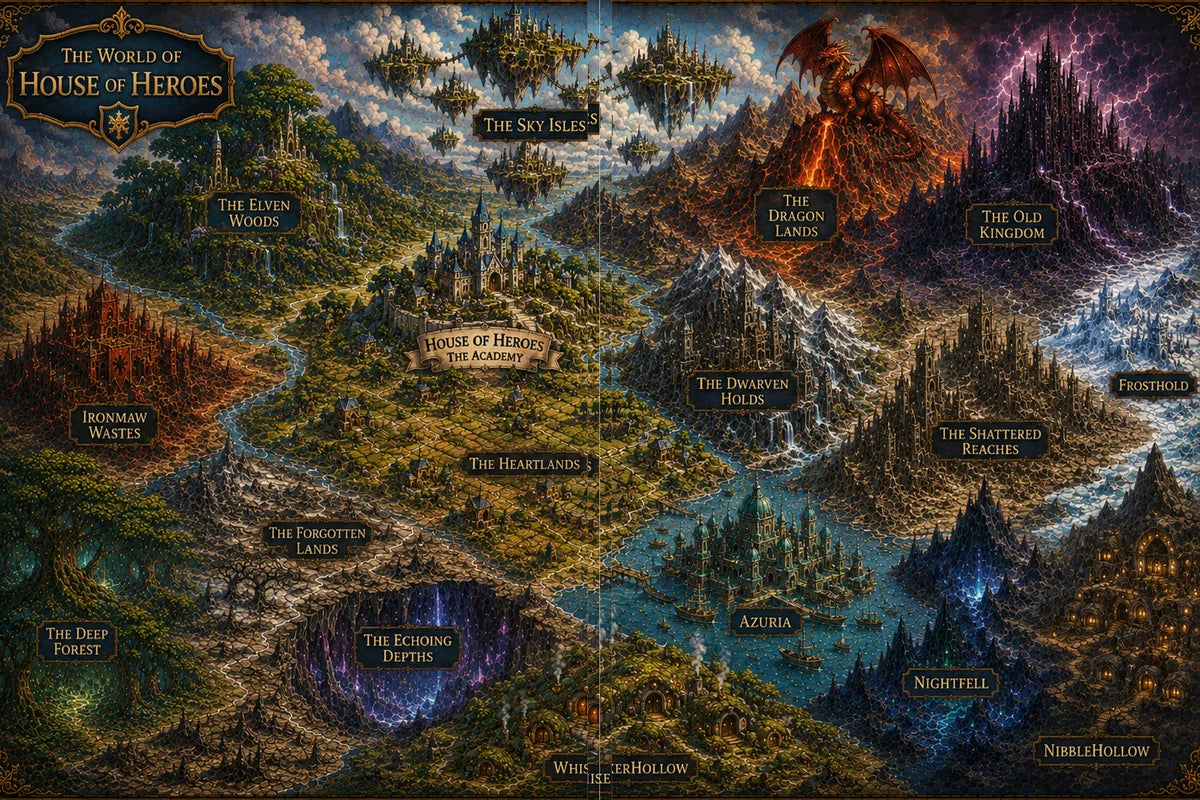
At House of Heroes, those moments are central to the experience we want to create. The adult reads the adventure aloud; the child becomes the Hero and helps shape what happens through their choices. The story gives you a world to share, while your child brings their own voice into it.
Research into interactive reading gives us a useful way to think about that invitation.
1. What the research actually found
In a 2011 study, researchers Rosemary Lever and Monique Sénéchal examined an eight-week dialogic reading intervention involving 40 English-speaking children aged five and six. Dialogic reading uses questions and conversation to involve children in a shared story.
Compared with an alternative-treatment group, the dialogic reading group performed better on measures of narrative structure and context after the intervention. Results differed between stories children produced and stories they retold. The group also showed gains in expressive vocabulary. Read the study abstract.

This small study concerns a particular intervention and age group. It did not test House of Heroes, branching adventures, or the Hero’s Journal, and it does not establish that our products produce the same outcomes.
For our design, it is an encouraging connection: a story can be an opportunity for conversation, as well as something a child listens to. The practical ideas below are our suggestions, not the study’s tested protocol.
2. Make a little space for their idea
You don’t have to turn every page into a question. Choose a moment that naturally invites your child to respond: a character is unsure, a path divides, or something unexpected appears in the picture.
Try asking, “What do you think is happening here?” Then give them time. Their answer might be a sentence, a pointed finger, or a wonderfully surprising explanation.
You can join the idea without taking it over. If they say the dragon is lonely, you might respond, “You think he’s looking for a friend. Who could help him?” The exchange can stay short. The aim is to welcome their contribution, not to make storytime feel like a test.
3. Give a choice somewhere to go
A child’s answer becomes especially interesting when you explore it together.
Imagine that the Hero reaches a river. Your child chooses to look for a bridge. You might wonder who lives near it, whether the crossing looks safe, or what the Hero could do if the bridge is broken.
These are playful possibilities, not questions with a correct answer. Let the book guide the adventure, and let your child explain the part that caught their attention.
This is where the House of Heroes format brings its own character to storytime. Your child is invited to act as the Hero, with choices that help shape the adventure. Explaining a choice can become part of the shared experience: “I picked this because…”
That is a description of our approach, not a claim that choosing a route has been shown to improve a particular skill.
A story gives you a world to share. Your child brings a voice of their own.
4. Let the story continue beyond the page
When the adventure pauses, you can leave a little room for reflection.
“Which moment would you tell someone about?”
“What surprised your Hero?”
“What would you like to remember?”
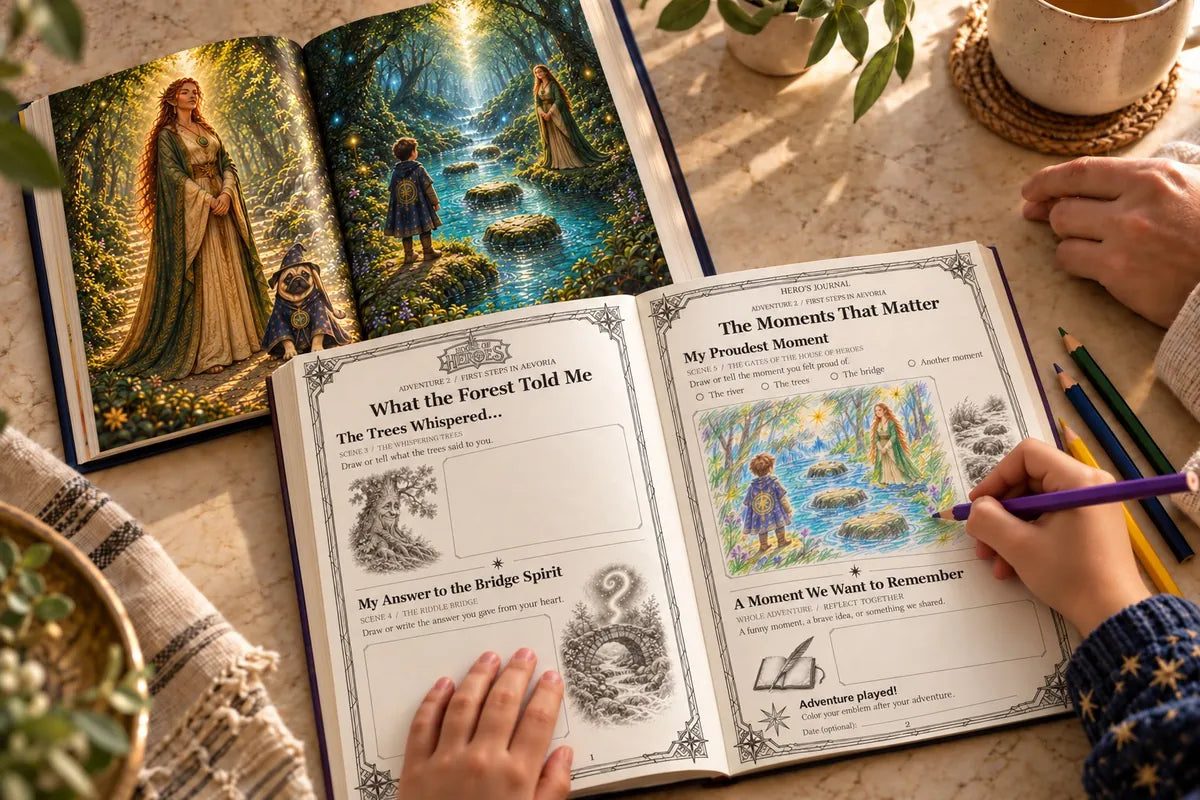
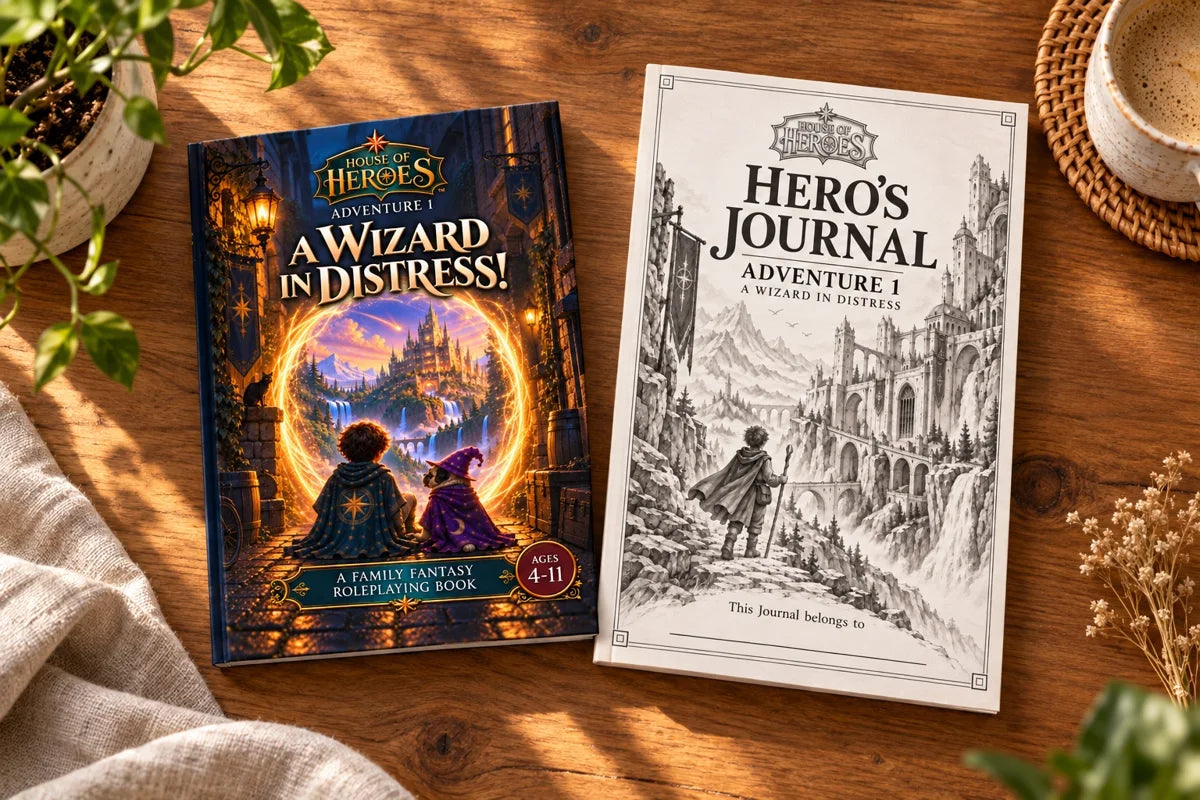
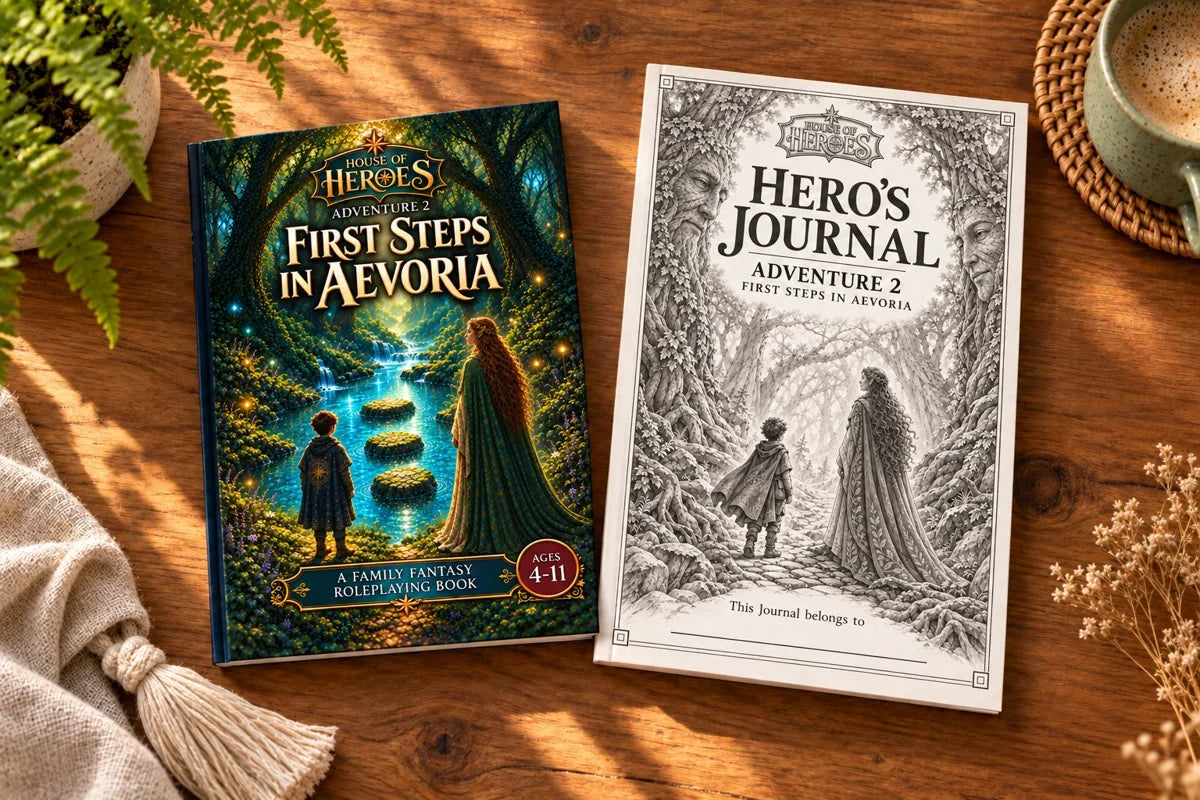
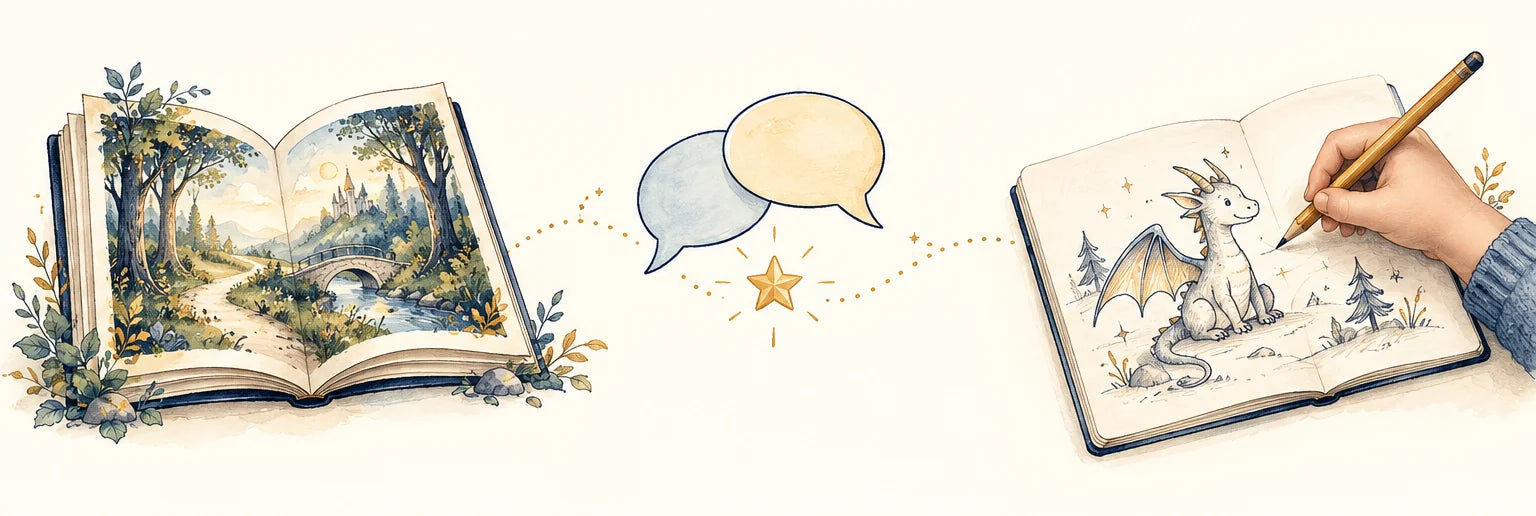
In House of Heroes, the companion Hero’s Journal offers a place to draw, write, and remember. A child might sketch the creature they met or record a favorite moment. They don’t need to produce a perfect page, and you don’t need to correct their version of the adventure.
We see the journal as another invitation to contribute. It is a product design choice; the study discussed here did not evaluate journaling or drawing. Some evenings, a quick conversation will be plenty. Other evenings, your child may want to keep creating.
5. Keep connection at the center
It is tempting to turn an interesting study into a promise: do this activity, get this result. We would rather offer you a storytime experience you can enjoy together.
You don’t need to measure how many questions your child answers. You can notice the moments when they want to contribute, follow their curiosity, and let quiet listening be welcome too.
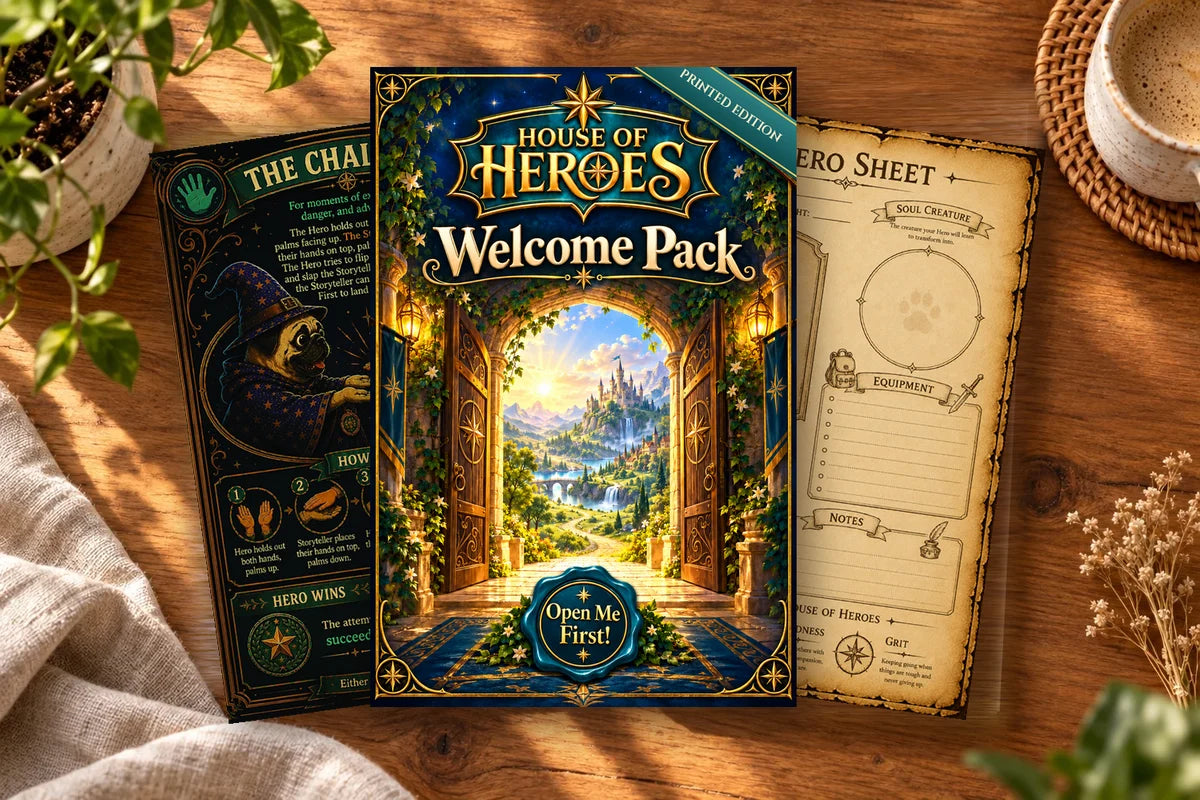
House of Heroes brings together an adventure to read aloud, choices for your child as the Hero, and a journal for the moments they want to keep. Those features are designed to make participation part of the experience rather than something you have to invent from scratch.
The research provides context for the conversation. The adventure is yours to share.
Research behind this story
Lever, R., & Sénéchal, M. (2011). Discussing stories: On how a dialogic reading intervention improves kindergartners’ oral narrative construction. Journal of Experimental Child Psychology, 108(1), 1–24. https://doi.org/10.1016/j.jecp.2010.07.002
This article draws on the published abstract. Its family prompts and House of Heroes connections are editorial suggestions, not a replication of the research intervention or evidence of product-specific benefits.